Although I am not vegetarian or vegan, I never realized that this also is applicable to wines or… Champagne. So what makes a Champagne not vegan, is a question I had to ask myself first.
As you may know or not know, the base for Champagne is typically a dry wine made from Pinot Noir, Pinot Meunier, Chardonnay, or a blend. Champagne and many wines, will go through the process of fining, which is a process where alcohol is filtered or refined during brewing, to clarify the product.
Okay, so what’s the fuss about, I thought. It seems that the fining agents can be animal-based. What we actually can find in our glass is: gelatin, egg whites, seashells, isinglass, carmine, honey, milk, casein.
Doesn’t sound to nasty, does it?
Next up: let’s find out about those ‘fining agents’.
Fining agents
Not sure what that actually is?
Here we go:
Isinglass: a form of collagen prepared from the swim bladders of fish.
Gelatin: if it’s in candy, it should be harmless, right? Wrong! Gelatin is an animal protein obtained by boiling skin, tendons, ligaments, and/or bones of cows or pigs.
Carmine: the bodies of dried cochineal beetles. Aka Cochineal, Cochineal Extract, Crimson Lake, Natural Red 4, C.I. 75470, E120, Carminic Acid. I like that ‘Natural red’
Casein: a protein derived from milk; also used in cosmetics, hair products, beauty masks, some pharmaceuticals and foods, although they may be marked ‘dairy free’.
Now that’s nasty.
Great news for vegetarians & vegans!
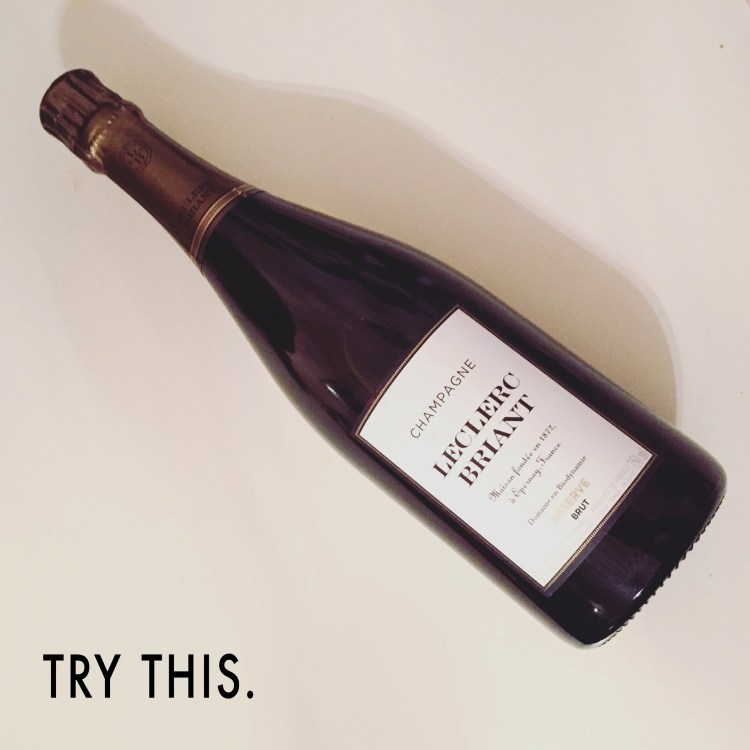
By accident I stumbled upon a Champagne of the house of Leclerc Briant, since this pioneer of organic viticulture in Champagne, produces a range of wines that is exclusively organic, biodynamic or vegan. The best part is that this Champagne is a real treat, it’s big and rich of the palate, yeasty, a nice and toasty full bodied Champagne that finishes dry, but has great length.
Do yourself a favor and try it.
 leblogduvin.com